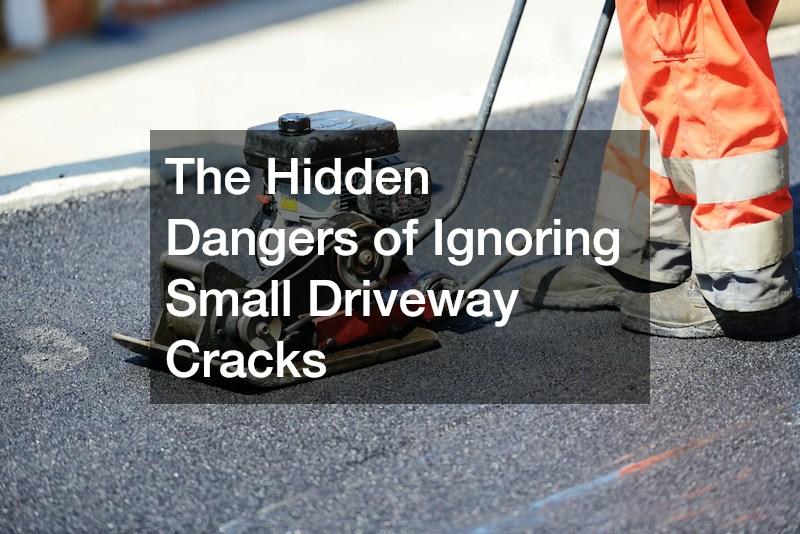
Homeowners frequently prioritize prominent property maintenance tasks while overlooking subtle imperfections. A minor fissure often appears inconsequential, prompting individuals to delay necessary interventions. However, the integrity of a paved surface relies heavily on continuous, unbroken materials. When a small crack emerges, it serves as a gateway for significant structural and environmental damage. Neglecting these seemingly trivial flaws can lead to extensive deterioration, safety risks, and escalating financial burdens.
Understanding the compounding consequences of unaddressed damage highlights the critical need for timely asphalt repairs. By recognizing the hidden dangers early, property owners can preserve both the functionality and aesthetic appeal of their driveways for years to come.
Water Infiltration and Structural Deterioration
The most significant threat to a compromised paved surface is moisture. Even a hairline fracture provides a pathway for rain and runoff to penetrate beneath the visible surface. Once water infiltrates the underlying foundation, it begins to erode the aggregate base that supports the entire driveway. This erosion creates hollow spaces, leading to an uneven distribution of weight when vehicles drive over the area. Furthermore, in regions that experience fluctuating temperatures, the trapped moisture is subjected to repeated freezing and thawing cycles. As the water freezes, it expands, pushing against the surrounding materials and widening the initial gap. When the ice melts, it leaves behind an enlarged void, accelerating the collapse of the surface layer. Securing professional asphalt repairs at the first sign of cracking prevents this insidious water infiltration and protects the foundational integrity of the driveway.
The Accelerated Growth of Minor Flaws
Damage to paved surfaces does not remain static. What begins as a microscopic flaw will exponentially worsen under the daily stress of vehicular and pedestrian traffic. When heavy vehicles drive over a compromised section, the pressure forces the weakened edges to flex and break. Friction from tires, combined with solar ultraviolet radiation, further degrades the pavement’s binding agents. As the structural bonds fail, the small crack quickly branches out into a network of interconnected fissures, often referred to as alligator cracking. If left untreated, these networks ultimately break apart completely, resulting in deep, structural potholes. Property owners who proactively schedule asphalt repairs can effectively halt this accelerated degradation, ensuring that a simple maintenance task does not transform into a catastrophic failure requiring a full driveway replacement.
Safety Hazards and Liability Concerns
Beyond structural integrity, neglected driveway cracks present severe safety hazards. As fissures widen and the pavement becomes uneven, the resulting ridges and depressions create significant tripping hazards. Family members, delivery personnel, and guests risk sustaining injuries from falls on this unstable walking surface. This danger is elevated during evening hours or inclement weather when visibility decreases. In addition to personal injury risks, a deteriorating driveway can cause substantial damage to vehicles. Deep cracks and forming potholes can alter tire alignments, scratch lower bumper panels, and stress vehicle suspension systems. Addressing these hazards through prompt asphalt repairs is not merely a matter of property upkeep; it is a critical step in mitigating liability. Maintaining a smooth, hazard-free driveway ensures a safe environment for all pedestrians and vehicles accessing the property.
Financial Implications and Diminished Property Value
The financial consequences of ignoring minor driveway damage are substantial. Delaying maintenance to avoid immediate costs invariably leads to much higher expenses. Filling a small fracture is an affordable, straightforward process. Conversely, excavating and replacing large sections of a failed foundation requires intensive labor, heavy machinery, and substantial material costs. Furthermore, a neglected driveway severely impacts the overall curb appeal of a residence. The exterior of a home dictates the initial impression it makes on neighbors, visitors, and potential buyers. A crumbling, severely cracked driveway suggests a broader pattern of deferred maintenance, which can drastically reduce the market value of the property. Investing in routine asphalt repairs yields a high return by preserving the visual appeal of the home and preventing the exorbitant costs associated with total surface reconstruction.
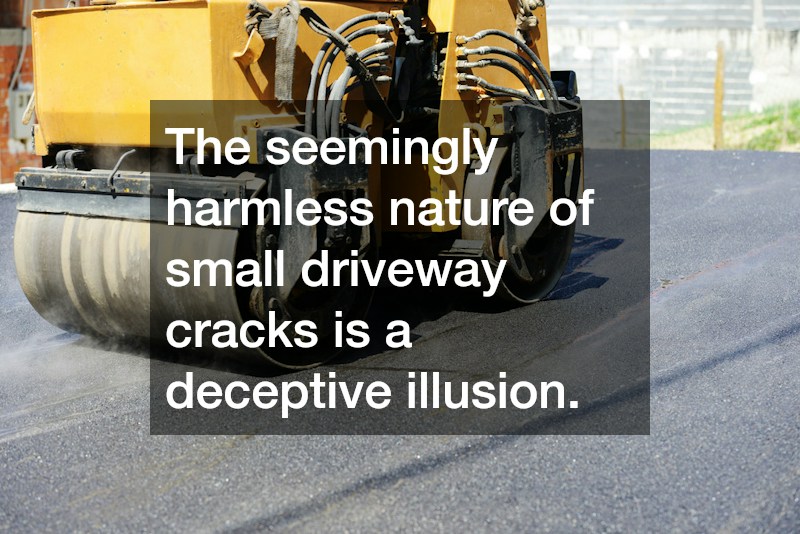
The seemingly harmless nature of small driveway cracks is a deceptive illusion. These minor flaws act as catalysts for profound structural degradation, primarily driven by water infiltration and the relentless stress of daily use. As the damage accelerates, it introduces significant safety liabilities and threatens to diminish the overall value of the property. Homeowners must adopt a proactive approach to pavement maintenance. By prioritizing timely asphalt repairs, individuals can halt the progression of decay, safeguard their financial investment, and maintain a pristine, secure exterior environment. Ultimately, acknowledging and addressing the hidden dangers of minor surface cracks is the most effective strategy for ensuring the long-term durability and beauty of a residential driveway.