Asphalt paving is an essential aspect of modern infrastructure, playing a crucial role in the construction and maintenance of roads, highways, and parking lots. This process involves laying down a mixture of aggregates such as crushed stone, gravel, and sand combined with bitumen, which acts as a binding agent. One key aspect of asphalt paving is its ability to provide a smooth and durable surface capable of withstanding heavy traffic loads and environmental conditions.
The history of asphalt dates back to ancient times when it was first utilized in Babylon and Mohenjo-Daro for its waterproofing abilities. In modern times, the process has evolved significantly, incorporating advanced machinery and technologies to improve efficiency and quality. The successful implementation of asphalt paving not only enhances road traction and safety but also contributes to the aesthetic appeal of urban environments.
Asphalt paving requires meticulous planning and execution, beginning with the preparation of the subgrade, which must be compacted to a specific density to ensure stability. This is followed by applying an asphalt base and multiple layers of asphalt mixes, each finely crafted to suit the purpose and expected traffic load. The final surface is crucial, as it offers grip and water drainage, critical features for road safety and longevity.
Advantages of Asphalt Paving
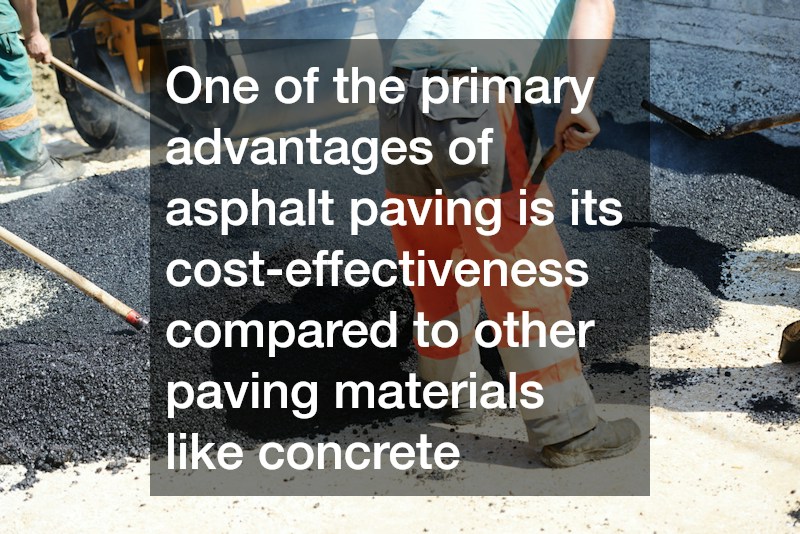
One of the primary advantages of asphalt paving is its cost-effectiveness compared to other paving materials like concrete. Asphalt is less expensive to produce and install, resulting in substantial savings for city planners and private contractors alike. Additionally, the maintenance of asphalt surfaces is typically simpler and less costly, with repairs often involving straightforward patching techniques.
Another notable advantage is its environmental friendliness. Asphalt is a 100% recyclable material, meaning old asphalt can be reprocessed and utilized in new paving projects, significantly reducing the environmental footprint of road construction. Furthermore, the production of asphalt emits fewer emissions compared to the heavy energy costs and emissions associated with other paving methods.
Asphalt paving also excels in providing a smooth, quiet driving surface. This contributes to enhanced driving comfort and decreased vehicle wear, as smoother roads lead to less vibration and mechanical stress on cars. Moreover, the flexibility of asphalt allows it to adapt to minor ground movements without cracking, an essential characteristic for regions prone to earthquakes or substantial temperature shifts. Depending on where you live, this can be a huge factor.
Challenges in Asphalt Paving
Despite its numerous benefits, asphalt paving comes with its own set of challenges. One major issue is its susceptibility to damage from extreme weather conditions. High temperatures can cause asphalt to soften and become deformed, while freezing temperatures can lead to cracking as moisture trapped in the asphalt expands.
Additionally, proper drainage design is critical in asphalt paving projects. Inadequate drainage can lead to water pooling on the surface, which accelerates deterioration and leads to potholes. It requires careful planning to ensure water is diverted away from critical points, extending the lifespan of the pavement and improving safety.
The longevity of asphalt surfaces also depends significantly on the quality of materials used and the precision of their application. Experienced and skilled workers are essential to oversee this process, and any lapses in quality control can result in premature pavement failure. Investing in skilled labor and high-quality materials ensures the long-term success of asphalt paving endeavors.
Future Trends in Asphalt Paving
As technology advances, the future of asphalt paving looks promising, with innovative approaches empowering the construction industry. One such development is the use of “smart” asphalt, which incorporates sensors to monitor conditions and predict maintenance needs, leading to proactive road management and reduced costs.
Furthermore, researchers are exploring the potential of incorporating recycled plastic and other sustainable materials into asphalt mixes to enhance longevity and sustainability. These efforts address environmental concerns and offer a way to repurpose waste materials that would otherwise end up in landfills.
Another trend gaining traction is the integration of porous asphalt solutions, primarily used in urban areas to address water drainage issues. This innovative solution allows water to percolate through the pavement surface, reducing runoff and promoting ground recharge. As urban centers face increasing challenges related to stormwater management, such solutions are becoming increasingly valuable.
In addition to these promising developments, the use of machine learning and artificial intelligence is becoming more prevalent in the planning and execution of asphalt paving projects. These technologies allow for better prediction of wear and tear, optimized resource allocation, and enhanced safety protocols. As a result, construction projects can be completed more efficiently and with fewer resources, leading to substantial economic benefits. Moreover, the integration of renewable energy sources in the asphalt production process is being explored, offering the potential to further reduce the environmental impact of road construction. This could include using solar panels or wind energy to power asphalt plants, marking a significant step forward in sustainable infrastructure development.